
Exploring the Latest Trends in Racket Sports Training


Introduction to Racket Sports Training Trends
Racket sports like tennis, badminton, and squash have always been popular, but recent trends in training are revolutionizing how athletes approach these games. As technology and science evolve, so do the methods to enhance performance, prevent injuries, and optimize training routines.
Technology-Driven Training
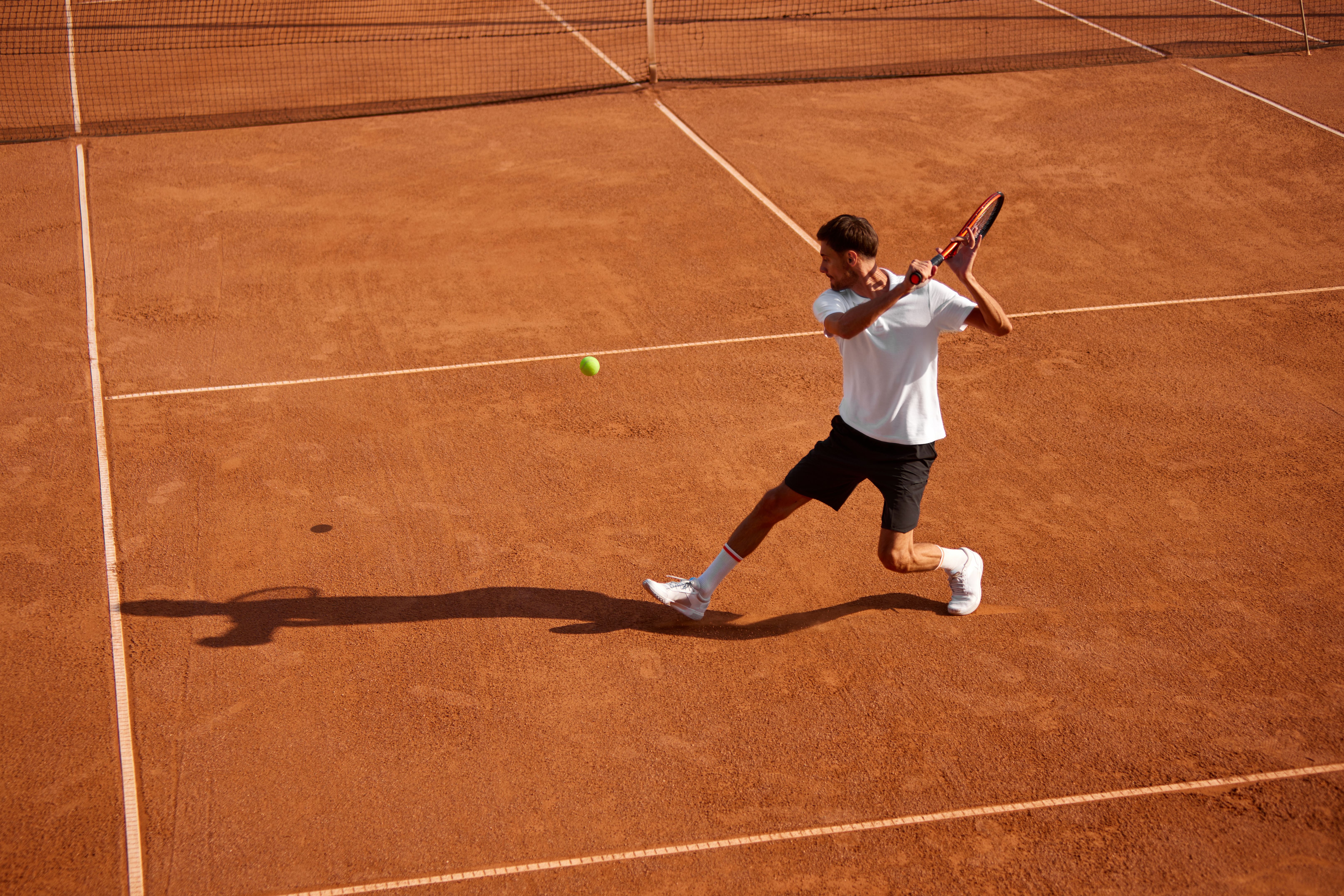
The integration of technology in racket sports training is a game changer. Wearable devices and smart equipment are now used to track performance metrics with precision. These tools provide detailed data on aspects like heart rate, movement efficiency, and swing speed, enabling athletes to refine their techniques and strategies.
Moreover, virtual reality (VR) is emerging as an innovative training tool. VR simulations allow players to practice in a controlled environment, helping them improve decision-making skills and reaction times without the physical strain of traditional practice.
Focus on Mental Conditioning
In recent years, the importance of mental conditioning has gained recognition in racket sports. Athletes are now incorporating mental training techniques such as visualization, mindfulness, and cognitive exercises into their routines. These practices help improve focus, reduce anxiety, and enhance overall mental resilience during matches.
Functional Fitness and Cross-Training
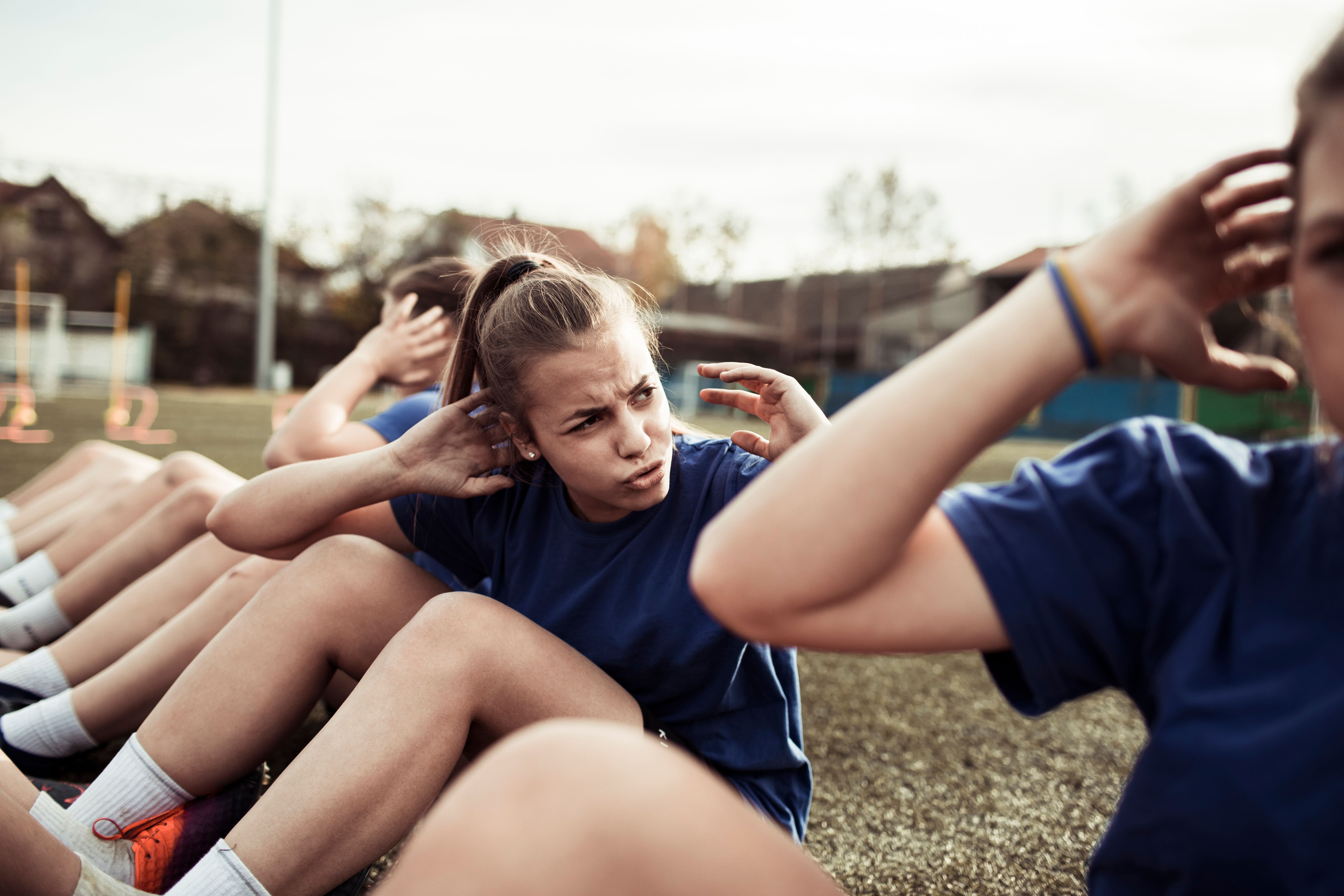
Functional fitness and cross-training have become staples in racket sports training. Athletes are increasingly engaging in exercises that mimic the movements required in their specific sport, such as lateral movements and explosive sprints. This type of training improves agility, balance, and strength, directly benefiting on-court performance.
Cross-training with activities like yoga, pilates, and swimming provides a well-rounded fitness regimen. These disciplines aid in maintaining flexibility, reducing injury risk, and enhancing overall physical endurance.
Data-Driven Nutrition and Recovery
Nutrition and recovery play crucial roles in the modern athlete's regimen. Personalized nutrition plans based on genetic testing and metabolic analysis are now common, allowing for tailored dietary strategies that optimize energy levels and recovery times.

Recovery techniques have also advanced, with athletes utilizing cryotherapy, compression garments, and advanced massage therapies to accelerate muscle repair and reduce fatigue. These methods ensure athletes remain at peak performance longer and can handle more intense training sessions.
Community and Social Engagement
The social aspect of racket sports is evolving, with a growing focus on community building and engagement. Many clubs and organizations now offer group training sessions, social matches, and events that encourage participation and foster a sense of belonging among players.
This community-driven approach not only enhances enjoyment but also provides a support system that can boost motivation and commitment to the sport.

Conclusion
Exploring the latest trends in racket sports training reveals a dynamic landscape where technology, mental conditioning, and holistic approaches come together to enhance player performance. As these trends continue to evolve, athletes can look forward to more innovative and effective ways to excel in their sport.